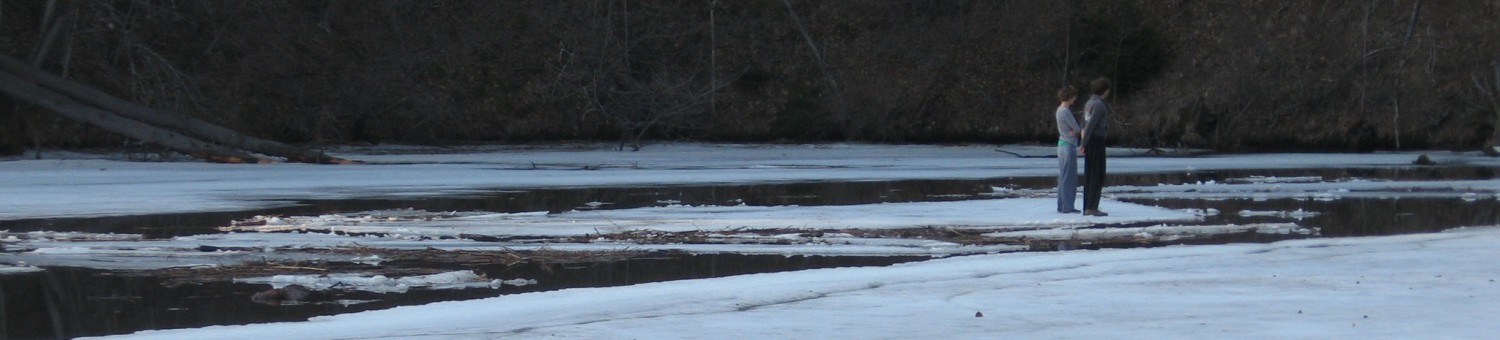
I became a climate justice education after one of my biology students asked a deceptively simple question. I tell a 7min version of this story for GBH/World Channel’s Stories for the Stage, but the short version is that I followed that question into the climate movement, especially nonprofits that specialize in empowering young people to fight for climate justice.
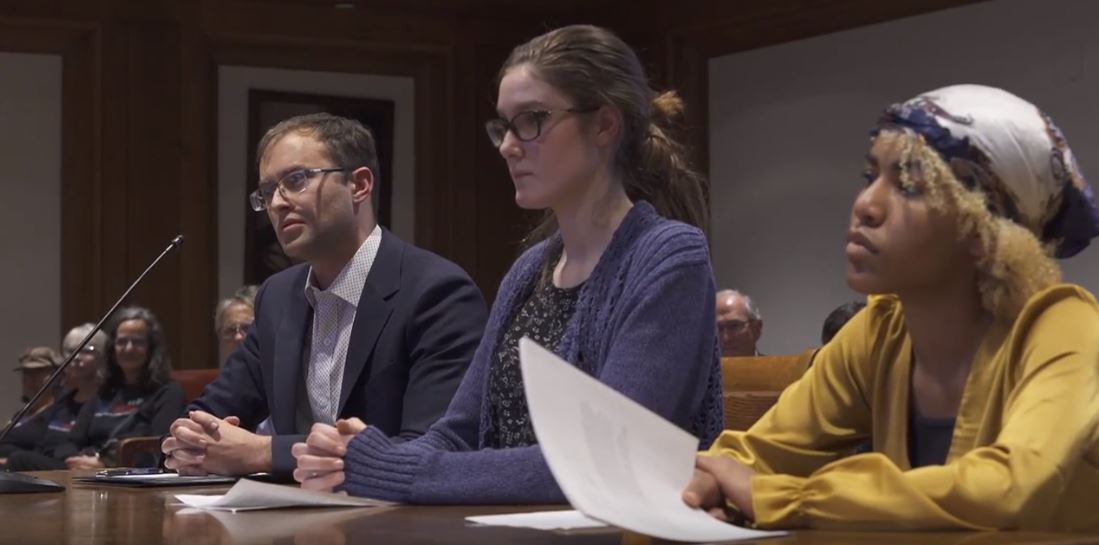
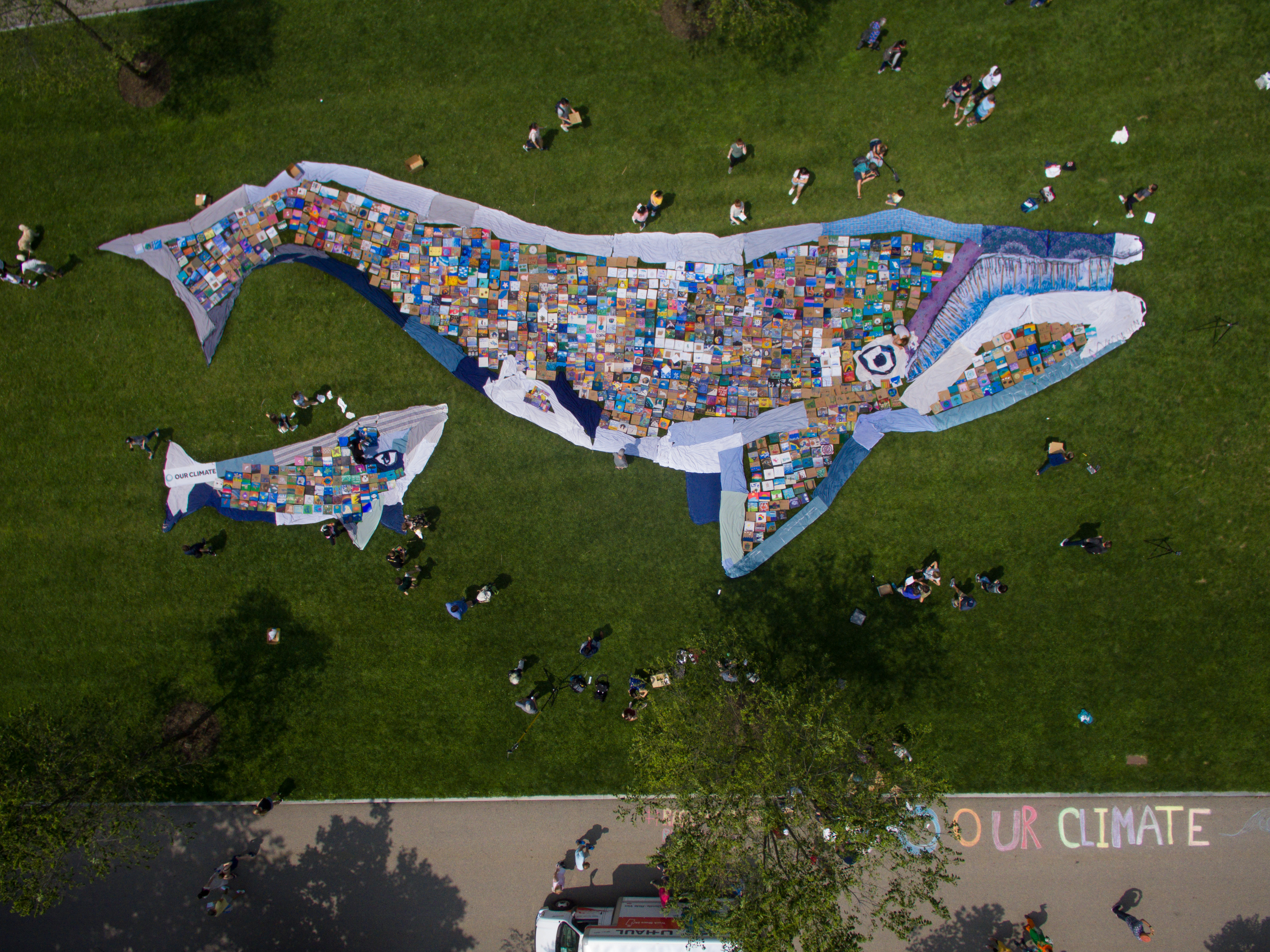
From 2018-2025, I was the Massachusetts Field Organizer and Education Manager at the youth-founded nonprofit Our Climate. In 2020, my Massachusetts youth team and I joined forces with young leaders of the Boston Climate Strikes, the Sunrise Movement, Fridays for Future, and the Boston Student Advisory Council to create the Massachusetts Youth Climate Coalition. To this day, I remain an Adult Administrator for the coalition, which now helps 25+ youth climate organizations build relationships, exchange knowledge and skills, coordinate our campaigns, and speak with a unified voice when strategic.

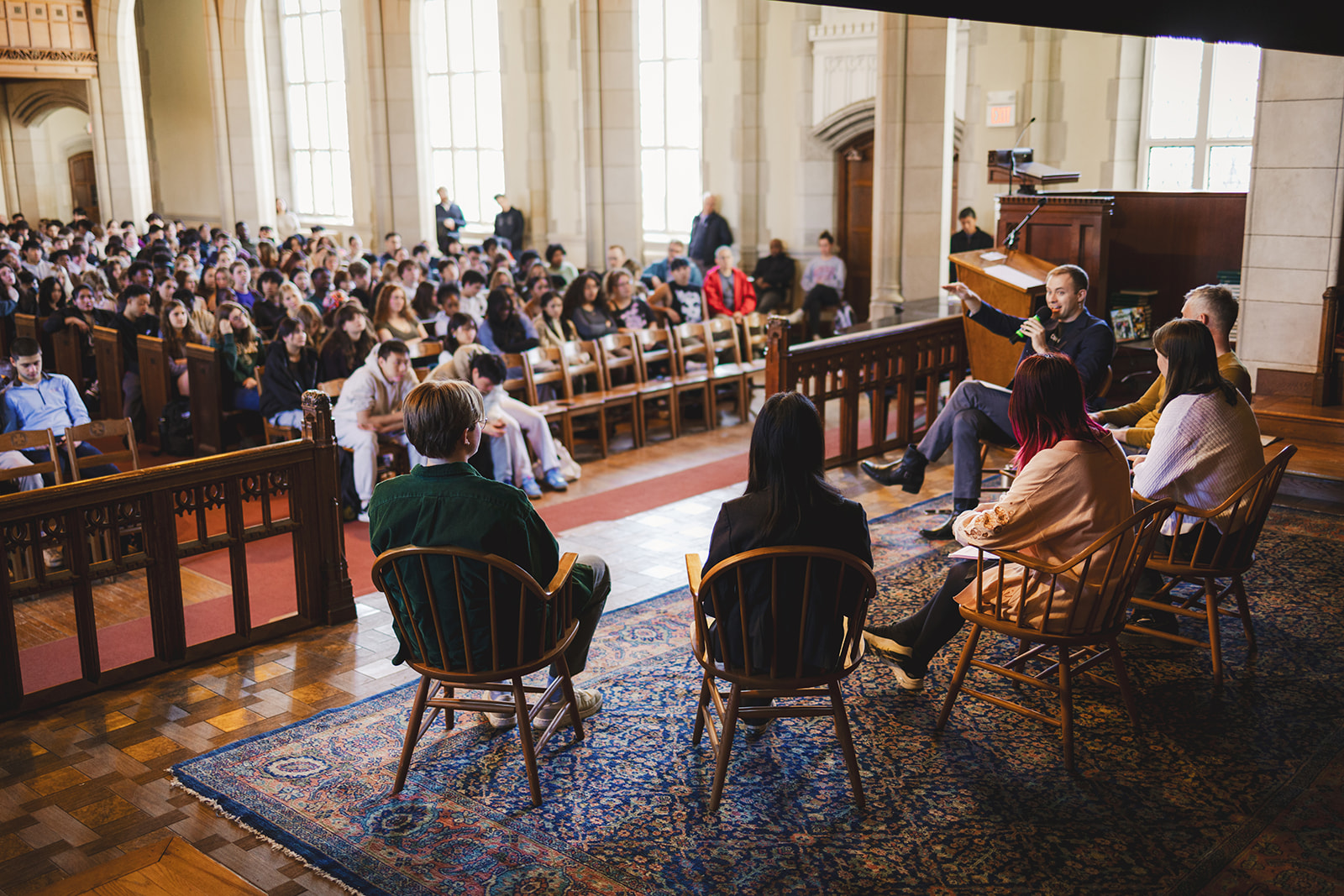
Starting in 2024, I also became a co-manager for Clean Water Action’s Youth Action Collaborative, an after-school environmental education program at Malden High School. I help design and refine curriculum and then coach both the program members and the alumni to design and complete local and state-wide environmental justice projects.

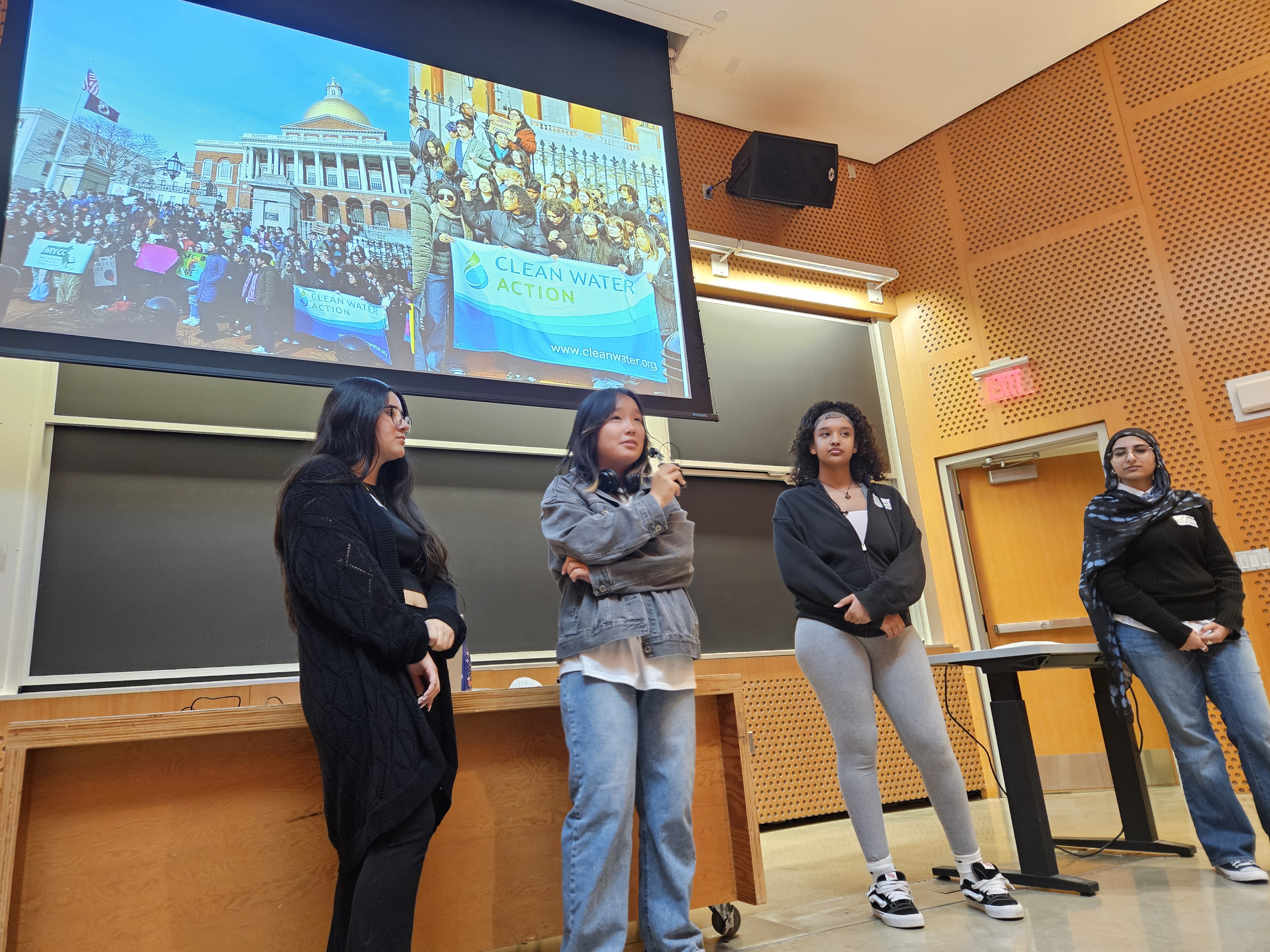

I sometimes use the word “educator” to describe what I do because I still do many things that I did as a teacher. Specifically, I constantly help young people to:
- identify and comprehend relevant information
- coax thoughts and feelings into words (plans, campaigns, statements, letters, etc)
- hold each other and themselves accountable to follow through on or redesign projects
- plan and facilitate effective meetings
- prioritize people and ideas that are often overlooked
- build long-lasting, coherent, equitable relationships and systems
- name, navigate, and harness tension and conflict; repair harm
And yet, “education” doesn’t fully capture what is needed to help young people identify projects, advocate for policy, or build coalitions. Sometimes I prefer terms: co-learner, facilitator, accountabili-buddy, or adult ally. To me, being a climate justice educator means staying aware and in awe of how little anyone, including adults like me, know about how to address some of the largest issues our species have faced. It means saying, “even though I don’t know, I’m honored to find out with you. Here’s what I see. What do you see?
 Eben E. B. Bein